Kensal Green Station Carpet Cleaning Tips for Local Flats
If you live in a flat near Kensal Green Station, you already know the drill: limited space, shared hallways, awkward stairs, and carpets that seem to catch every bit of London life the moment you step inside. Shoes bring in grit, winter slush lingers, and one coffee spill can feel like a full-scale event. These Kensal Green Station carpet cleaning tips for local flats are designed to help you keep carpets fresher, drier, and easier to maintain without turning your home upside down.
In this guide, you will find practical ways to clean carpets in compact homes, choose the right method for your flooring, avoid common mistakes, and decide when a professional clean makes more sense. There is a bit of method to it, honestly, and once you know the basics, the whole job becomes much less faff.
Why Kensal Green Station Carpet Cleaning Tips for Local Flats Matters
Flats around Kensal Green tend to be a mix of busy households, renters, first-time buyers, sharers, and people who just want the place to feel calm after a long commute. That is exactly why carpet care matters here. A carpet in a compact flat gets used harder than it might in a larger house because there is usually less traffic space and less room to hide clutter or dirt.
Near transport links, carpets often pick up fine dust, outdoor grime, and moisture from shoes and prams. Add in pet hair, dropped food, or everyday wear around beds and sofas, and the pile starts to look tired before long. A good routine helps you stop that slow build-up before it becomes a bigger job.
There is also a comfort factor. A clean carpet simply makes a flat feel more put together. You notice it the second you walk in. It smells fresher, feels softer underfoot, and does not have that dull, flattened look that can creep in when cleaning gets left too long.
How Kensal Green Station Carpet Cleaning Tips for Local Flats Works
For local flats, carpet cleaning works best when you think in layers rather than one dramatic deep clean. First comes regular vacuuming, then stain spotting, then periodic deeper cleaning. That sequence matters because compact homes often have fewer places for dirt to spread out. If you ignore the early stages, the fibres hold onto grime more stubbornly.
In practical terms, carpet cleaning usually falls into three broad approaches:
- Dry maintenance such as vacuuming and light spot treatment.
- Low-moisture cleaning for quick refreshes and faster drying times.
- Steam or hot-water extraction for deeper soil removal and more stubborn build-up.
Each method has its place. Not every flat needs a full wet clean every time. To be fair, over-wetting is one of the easiest ways to create new problems, especially in smaller homes with less airflow.
If you are dealing with a hallway runner, bedroom carpet, or a lounge that doubles as an office, the right approach depends on footfall, fibre type, and how much time you have for drying. That is where a bit of judgement helps more than brute force.
Key Benefits and Practical Advantages
A sensible carpet cleaning routine gives you more than just a cleaner-looking floor. In a flat, the benefits are quite tangible.
- Better day-to-day appearance: carpets look brighter, less matted, and less patchy around doors and seating areas.
- Improved smell: trapped odours from cooking, shoes, or pets are easier to control.
- Longer carpet life: regular dirt removal reduces fibre wear.
- Fewer stain emergencies: when you know how to treat spills, they are less likely to set.
- More comfortable living: a cleaner carpet makes small rooms feel more restful.
There is also a practical upside for renters. If a carpet is kept in decent condition throughout a tenancy, the end-of-tenancy clean is usually less stressful. That does not mean you can skip maintenance and hope for the best. Sadly, carpets do not work that way. They hold grudges.
For landlords and managing agents, a well-kept carpet also helps a flat feel cared for between occupancies. That can reduce turnaround headaches and complaints about stale smells or visible wear.
Who This Is For and When It Makes Sense
This advice is useful if you live in a studio, a one-bed, a shared flat, or a converted Victorian property where room sizes are modest and access can be awkward. It also helps if your carpet takes a daily beating from commuting shoes, children, pets, or simply a lot of in-and-out movement.
You may want to focus on carpet cleaning now if any of these sound familiar:
- the hallway looks darker than the rest of the flat;
- your bedroom carpet feels flat even after vacuuming;
- there is a lingering smell after cooking, pets, or damp weather;
- you have a fresh stain and do not want it to become permanent;
- you are preparing for guests, a move, or a tenancy inspection.
Sometimes people wait until the carpet is obviously dirty. Truth be told, that is a bit late. A smaller, more regular routine is usually easier, cheaper, and less disruptive.
If you also have sofas, rugs, or curtains carrying dust and odours, it can make sense to deal with the whole room at once. In that case, services such as sofa cleaning, rug cleaning, and curtain cleaning can help create a much more complete refresh.
Step-by-Step Guidance
If you want a straightforward way to tackle carpets in a Kensal Green flat, use this sequence. It keeps the job manageable and reduces the risk of doing more harm than good.
1. Clear the floor as much as possible
Move small furniture, bins, baskets, and loose items. In compact flats, this is often the most annoying part, yes, but it makes a huge difference. Even shifting a coffee table and a couple of chairs can expose dirt that has been hidden for months.
2. Vacuum slowly and thoroughly
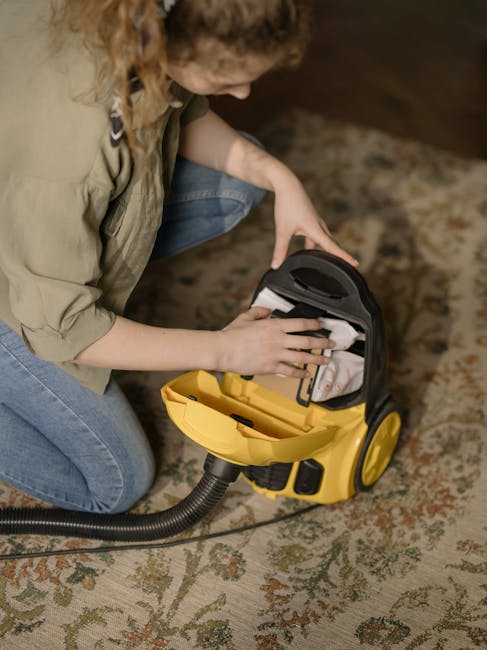
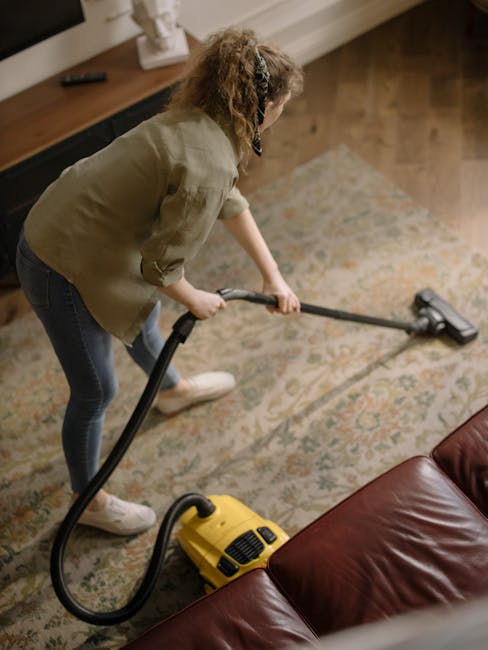
Do not rush. Go over high-traffic areas from different directions so you lift embedded grit rather than just skimming the top. Pay attention to edges, under radiators, and the stretch near the front door.
3. Treat stains before deep cleaning
Fresh stains should be blotted, not rubbed. Use a clean white cloth and start from the outside of the spill, working inward. That helps prevent spreading. If you are unsure what the stain is, test carefully in a hidden spot before using any product.
4. Choose the right cleaning method
Light refresh? A low-moisture approach may be enough. Older marks or heavier soil? A deeper extraction clean will usually be more effective. If the carpet is wool, blended fibre, or especially delicate, check the manufacturer guidance first. That small check saves trouble later.
5. Avoid soaking the carpet
Too much water can lead to long drying times, bad smells, and even wicking, where dirt reappears from below as the carpet dries. In flats with limited airflow, this matters even more.
6. Improve ventilation
Open windows if weather and security allow. Use fans where practical. If the carpet is in a room with poor circulation, drying time becomes the hidden challenge, and people often underestimate it.
7. Protect the clean result
Once dry, replace furniture only when safe to do so. Consider mats at entrances and a no-shoes habit if your household can manage it. That one small change can slow down re-soiling quite a lot.
Expert Tips for Better Results
Here is where the little details matter. They do not sound dramatic, but they add up.
- Work from clean to dirty. Start in the least used room and finish at the hallway or entrance.
- Use white cloths for spot treatment. Coloured cloths can transfer dye. Annoying, but it happens.
- Always blot first. Rubbing pushes spill matter deeper into the pile.
- Do a fibre check. Synthetic carpets tolerate different treatments than wool, and not every stain cleaner suits both.
- Keep cleaning products light. More detergent is not more effective. It can leave residue that attracts dirt later.
- Mind the drying time. A carpet that feels barely damp may still be holding moisture below the surface.
If you are cleaning a flat before the evening rush, timing matters. Mid-morning on a dry day is often best. You get better airflow and less pressure to walk on the carpet too soon. Small thing, but it helps.
Expert summary: In local flats, the best carpet cleaning results usually come from steady maintenance, careful stain handling, and controlled moisture rather than heavy-handed cleaning.
That is especially true in smaller rooms where a carpet can look cleaner very quickly, but only if it is not left sticky, wet, or over-treated.
Common Mistakes to Avoid
Most carpet problems in flats come from a handful of avoidable habits. Once you know them, the whole process becomes simpler.
- Using too much water: this can cause slow drying and damp odours.
- Scrubbing hard at stains: you may damage the pile and spread the mark.
- Ignoring the hallway: the entrance area often holds the most dirt.
- Using the wrong cleaner: some products are too harsh for delicate fibres.
- Cleaning only when the carpet looks bad: by then, soil may already be embedded deep in the fibres.
- Walking on a damp carpet too soon: this can flatten the pile and track dirt back in.
A common one in flats is assuming a quick vacuum is enough because the carpet looks "fine". It may look fine. Under daylight, though, the story can be different. Especially near the bed, the sofa, or the path to the kitchen.
Another easy mistake is forgetting that other soft furnishings affect the result. If a room still smells stale after carpet cleaning, the issue may be the upholstery, not the floor. That is where upholstery cleaning can make a visible difference.
Tools, Resources and Recommendations
You do not need a huge kit to keep a flat's carpet in good order. A few reliable basics go a long way.
- Vacuum cleaner with strong suction: useful for fine dust and grit.
- Microfibre cloths: helpful for blotting spills cleanly.
- Soft brush or carpet grooming brush: can lift pile in flattened areas.
- Gentle spot cleaner: choose one suited to the carpet fibre.
- Fan or dehumidifier: useful for faster drying in smaller spaces.
- Protective mats: especially by the front door and in the hallway.
For deeper refreshes, some people prefer steam cleaning because it can reach embedded soil more effectively. If you are weighing that option, the page on steam carpet cleaning gives a useful sense of what the method is designed to do.
If your carpet has a stubborn stain rather than general grime, a dedicated stain removal approach is often more sensible than treating the whole room as if it has the same issue. Different problems need different tools. Simple, really.
And if you want a broader overview of the service approach, the main carpet cleaning page is the best place to understand what a professional clean generally involves.
Law, Compliance, Standards, or Best Practice
For most homeowners and tenants, carpet cleaning is not a heavily regulated activity in itself. Still, there are sensible UK best-practice points to keep in mind.
First, if you are renting, check your tenancy agreement before using any strong chemicals or hiring equipment that could affect the carpet condition. Some agreements expect tenants to return the property in a professionally cleaned state, while others simply require reasonable care. It is worth reading the wording rather than guessing.
Second, if you are using a professional service, it is fair to expect clear pricing, reasonable care of your home, and appropriate insurance. You do not need to get technical, but you should know who is entering the flat, what is being done, and how any risk is handled. For that reason, pages such as insurance and safety, health and safety policy, and terms and conditions are worth checking if you are comparing providers.
Third, drying and ventilation are not just comfort issues. Damp carpets in a flat can be unpleasant and may lead to musty odours, so best practice is to use as little moisture as needed and ventilate well.
If sustainability matters to you, it is also sensible to ask how waste water, product use, and energy use are managed. A provider's recycling and sustainability information can help you judge whether their approach matches your priorities.
Options, Methods, or Comparison Table
If you are deciding how to clean carpets in a Kensal Green flat, this simple comparison may help.
| Method | Best for | Pros | Watch-outs |
|---|---|---|---|
| Vacuuming and spot care | Weekly upkeep and fresh spills | Fast, low cost, minimal drying time | Won't remove deep soil |
| Low-moisture cleaning | Routine refreshes in small flats | Quick turnaround, less disruption | May be less effective on heavy build-up |
| Steam or hot-water extraction | Embedded dirt, general deep cleaning | Strong deep-clean potential, good for tired carpets | Longer drying time, needs care in compact homes |
The right choice usually depends on how old the carpet is, whether there are pets or children, and how easy it is to ventilate the flat. A one-room studio with one person living in it has very different needs from a family flat with a hallway, lounge, and two bedrooms.
For heavier pet-related issues, it may help to look at pet stain and odour removal rather than using a general cleaner and hoping the smell disappears on its own. That rarely ends well, by the way.
Case Study or Real-World Example
Here is a realistic flat scenario. A tenant in a two-bed near Kensal Green Station notices that the hallway carpet is looking grey around the edges, while the lounge carpet has a faint odour after a winter of wet shoes and takeaway evenings. Nothing dramatic, just that slightly tired feeling you get when a room stops looking fresh.
The first step is a full vacuum of the hall, lounge, and the path between the front door and the kitchen. Then the tenant blot-cleans a small coffee spill near the sofa and a muddy mark near the entrance. Next, they use a method suited to the carpet fibre, keeping moisture controlled and windows open for airflow.
The key difference is not the product alone. It is the sequence. Clean the traffic areas first, treat stains carefully, and dry thoroughly. In a flat, that order matters because moisture and odour can linger if the space is closed up all day.
Afterward, the carpet looks brighter, the room feels less stale, and the hallway no longer draws your eye every time you come in. Not magic. Just good routine.
Practical Checklist
Use this checklist before, during, or after carpet cleaning in a local flat.
- Vacuum all rooms, especially entrance paths and under furniture.
- Blot fresh stains before applying any cleaning solution.
- Test cleaning products on a hidden area first.
- Use the least amount of moisture needed.
- Open windows or use fans for ventilation.
- Allow full drying before replacing rugs or furniture.
- Check whether any odour source is actually upholstery, not the carpet.
- Review tenancy terms if you rent the flat.
- Consider professional help for large areas, old stains, or delicate fibres.
- Keep entrance mats in place to reduce new dirt getting tracked in.
Quick takeaway: in flats, carpet cleaning works best when you keep the job small, dry, and regular rather than waiting for one huge reset.
If you are comparing service options or want to understand costs before booking, it is sensible to review pricing and quotes alongside the service details. That way, you know what you are paying for and can judge whether the approach suits your flat.
And if you are ready to speak to someone about your carpets, you can also use the site's contact us page to ask about your specific situation. Sometimes a quick question saves a lot of guesswork.
Get a free quote today and see how much you can save.
Conclusion
Kensal Green Station carpet cleaning tips for local flats come down to a simple idea: small spaces need smart care. Keep on top of dirt before it settles, treat spills gently, avoid over-wetting, and give the carpet enough time to dry properly. Do that, and your flat will feel fresher, look better, and stay easier to manage over time.
The nicest thing about a well-kept carpet is that you stop noticing it in the best possible way. It just does its job quietly in the background, which is probably what most of us want from a floor anyway. Steady care wins here.
When the room feels calm and clean underfoot, everything else seems a bit easier too.
Frequently Asked Questions
How often should carpets in a Kensal Green flat be cleaned?
For most flats, regular vacuuming should happen weekly, with deeper cleaning scheduled when the carpet starts to look dull, feel tacky, or hold odours. Busy households, pets, and hallway traffic usually need more frequent attention.
What is the best carpet cleaning method for a small flat?
There is no single best method. For light upkeep, vacuuming and spot treatment may be enough. For more embedded dirt, steam or hot-water extraction can work well, but drying time becomes more important in a compact flat.
Can I clean my carpet myself, or should I hire a professional?
You can definitely handle routine care yourself, especially with vacuuming and fresh stain treatment. A professional clean makes more sense if the carpet is heavily soiled, the stain is old, the fibre is delicate, or you want a deeper refresh with less risk of over-wetting.
How do I stop carpets from smelling damp after cleaning?
Use as little moisture as possible, ventilate the room well, and avoid walking on the carpet until it is fully dry. In flats with limited airflow, fans can help quite a bit.
What should I do about pet odours in a flat?
Deal with the source first, then treat the carpet and any nearby soft furnishings. If the smell lingers, the issue may not be the carpet alone. Pet-related cleaning often needs a more targeted approach.
Are steam cleaning and hot-water extraction the same thing?
People often use the terms interchangeably, though the exact process can vary. The key point is that both use moisture and extraction to lift dirt from deep in the carpet pile.
How long does carpet drying usually take in a flat?
Drying time depends on carpet type, ventilation, amount of moisture used, and room temperature. A small flat may dry fairly quickly with good airflow, but thicker carpets or poor ventilation can extend the time significantly.
What mistakes make carpet stains worse?
Rubbing hard, using too much liquid, and applying the wrong cleaner are the big ones. Blotting gently and acting quickly usually gives a much better result.
Do I need to tell my landlord if I plan to deep clean the carpet?
That depends on your tenancy agreement and the method you plan to use. If you are using equipment or chemicals that could affect the carpet, it is wise to check first and keep everything documented.
Can carpet cleaning help with allergies in a flat?
It can help reduce dust, pollen, and trapped debris, which may improve comfort for some people. It is not a medical treatment, of course, but cleaner carpets do tend to create a less dusty indoor environment.
What should I look for when comparing carpet cleaning providers?
Look for clear pricing, sensible drying guidance, insurance and safety information, and straightforward terms. A trustworthy provider should explain what method they are using and what you can expect afterwards.
Is it worth cleaning carpets before moving out of a flat?
Usually, yes. A clean carpet can make the handover smoother and reduce the chance of disputes over condition. It is especially useful if the hallway or lounge has visible wear from regular foot traffic.