Chamberlayne Road Upholstery Cleaning for Period Homes Kensal Green
If you live on or near Chamberlayne Road, you already know the charm of a period home: tall ceilings, original timber, deep skirting boards, and furniture that tends to have a bit of history. That charm is lovely until the sofa arm looks tired, the dining chairs have picked up years of everyday use, or a favourite armchair has one too many tea rings. Chamberlayne Road upholstery cleaning for period homes Kensal Green is really about keeping that character intact while making the room feel fresher, cleaner, and far more comfortable to live in.
Period furniture and older interiors need a careful hand. Not every fabric is built the same, and not every cleaning method suits older upholstery or delicate finishes. In this guide, we'll walk through what the process involves, why it matters in Kensal Green homes, how to approach it sensibly, and what to avoid if you want a good result without damaging the piece. There's a practical side to this, yes, but also a bit of common sense. Truth be told, that's usually what saves the day.
Table of Contents
- Why Chamberlayne Road upholstery cleaning for period homes Kensal Green Matters
- How Chamberlayne Road upholstery cleaning for period homes Kensal Green Works
- Key Benefits and Practical Advantages
- Who This Is For and When It Makes Sense
- Step-by-Step Guidance
- Expert Tips for Better Results
- Common Mistakes to Avoid
- Tools, Resources and Recommendations
- Law, Compliance, Standards, or Best Practice
- Options, Methods, or Comparison Table
- Case Study or Real-World Example
- Practical Checklist
- Conclusion
- Frequently Asked Questions
Why Chamberlayne Road upholstery cleaning for period homes Kensal Green Matters
Period homes in Kensal Green often carry a mix of original features and modern living. That can mean one thing in practice: your upholstery takes a lot of daily wear, but it is also part of the home's character. A good velvet armchair, a well-made chaise, or a set of dining chairs in a bay window can make a room feel complete. When they start looking dull, the whole room can feel it.
On Chamberlayne Road, homes may have narrower entrances, tight staircases, and living rooms that are used for everything from family life to hosting friends. Upholstery in these settings tends to pick up dust, body oils, crumbs, pollen, pet dander, and the occasional spill. Period homes can also hold onto airborne dust a little more than newer builds, especially where original features and layered textiles are part of the picture. Nothing dramatic, just the normal reality of older London homes.
The key issue is that older or traditionally made furniture often needs more than a generic clean. A one-size-fits-all approach can flatten pile, mark dyes, shrink natural fibres, or leave damp in the wrong places. That's where informed upholstery cleaning matters: it helps protect the furniture, preserve the look, and avoid that slightly sour, under-dried smell nobody wants on a Tuesday morning.
Expert summary: in period homes, upholstery cleaning is not only about appearance. It is also about preserving fabric structure, reducing embedded dust, and preventing small stains from becoming permanent, all while respecting older materials and craftsmanship.
If your home also has rugs, curtains, carpets, or mattresses that are starting to look a bit weary, it often makes sense to think about the whole room at once. Related services such as rug cleaning, curtain cleaning, and carpet cleaning can support the same overall result: a cleaner, calmer space that still feels like home.
How Chamberlayne Road upholstery cleaning for period homes Kensal Green Works
Upholstery cleaning starts long before any water touches the fabric. The first step is always identification. What is the fabric? Is it wool, cotton, linen, velvet, blended fibre, or something synthetic? Is the frame old? Is the cushion removable? Has the fabric been treated before? These questions shape the method, and skipping them is where mistakes creep in.
In a typical period-home setting, the process begins with inspection and testing. A discreet patch test helps check how the fabric reacts to cleaning solution or moisture. That sounds obvious, but you'd be surprised how often people dive in with a spray bottle and hope for the best. Hope is not really a cleaning method.
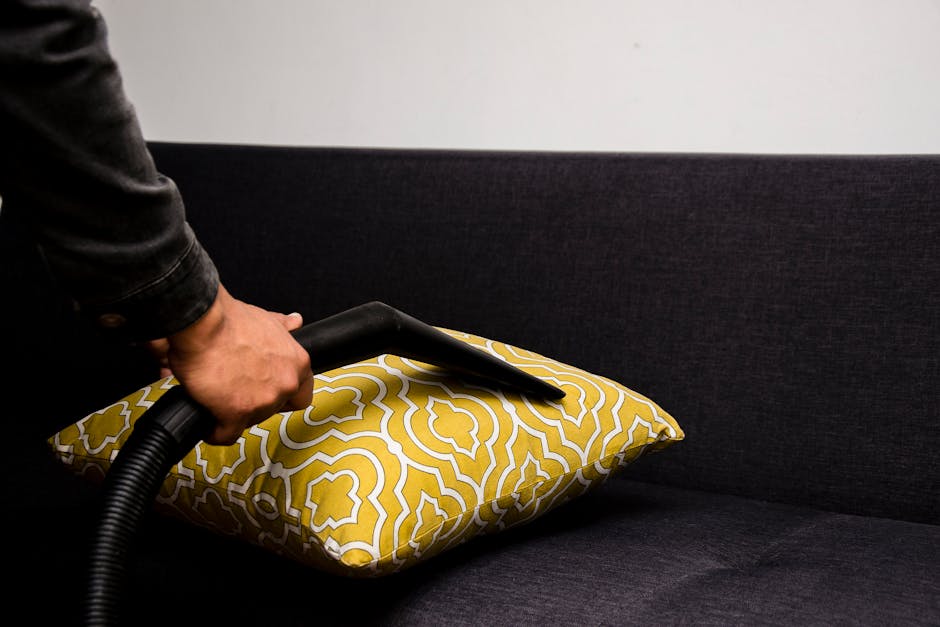
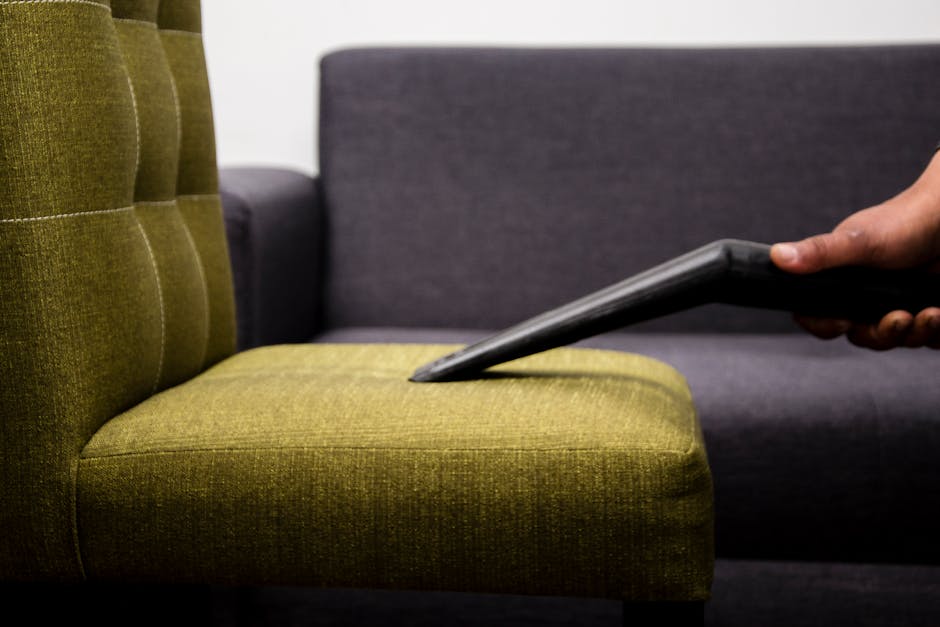
Once the fabric is assessed, the cleaner usually removes dry soil first. This may involve brushing, vacuuming with upholstery attachments, and working around seams, tufts, piping, and buttons. Dust and grit are abrasive; if left in place, they can wear fibres down over time. After that comes the actual cleaning stage. Depending on the upholstery type, this may be low-moisture cleaning, controlled hot-water extraction, foam-based cleaning, or specialist stain treatment.
For delicate period pieces, the cleaning process is usually more conservative. Less moisture, more control. Faster drying, gentler chemistry, and very careful agitation. A good cleaner will not chase the quickest route if the fabric needs restraint. That's the sort of judgement that matters in older homes.
Drying is another big part of the process. Even a clean sofa can become troublesome if it is left damp for too long. Good airflow, open windows where appropriate, and sensible ventilation all help. On a cool London day, drying can take a little longer than you expect, especially in a room with thick curtains or heavy furnishings. Patience helps here. A lot.
For homeowners who want to understand the broader approach, the site's main upholstery cleaning service page gives a useful sense of what professional fabric care typically covers, while sofa cleaning is especially relevant if your main issue is a family sofa taking daily punishment from kids, pets, and visitors.
Key Benefits and Practical Advantages
The first benefit is obvious: a fresher-looking room. But that's only the surface. Proper upholstery cleaning in a period home has a few deeper wins that people often overlook until they experience them.
- Better fabric appearance: colour looks cleaner, texture is revived, and the piece stops looking flattened or greyed-out.
- Reduced dust build-up: especially useful in older homes with layered soft furnishings and more decorative detailing.
- Odour removal: everyday smells from cooking, pets, smoke residue, or general household use can linger in fabric.
- Longer furniture life: removing grime and debris helps reduce wear on fibres.
- More comfortable living spaces: when upholstery feels clean, the whole room usually does too.
- Better presentation for guests or rentals: useful if you host often or need the home to look its best.
There's also a subtle emotional benefit. Period homes can sometimes feel a touch cluttered or visually busy, especially when furniture has seen years of family life. Cleaning the upholstery can restore a sense of order without stripping away the home's personality. You keep the patina, but lose the dinginess. That balance is the sweet spot.
If stains are part of the issue, it can help to think beyond the surface mark and get proper stain removal advice rather than rubbing harder or using whatever happened to be under the sink. For pet-related marks and lingering smells, pet stain odour removal is often the more appropriate route.
Who This Is For and When It Makes Sense
This service is not just for people with antiques or perfectly preserved Victorian furniture. In practice, it suits a wide range of homes around Chamberlayne Road and Kensal Green:
- owners of period terraces and converted flats
- families with well-used sofas and armchairs
- households with pets, children, or both
- people preparing for guests, photos, or a property sale
- landlords and letting agents looking after classic interiors
- anyone who wants to refresh upholstery without replacing it
It makes sense when furniture is visibly dull, when smells have settled in, when the fabric feels rough, or when a spill has left a mark that DIY cleaning hasn't touched. It can also make sense after redecorating. Dust from sanding, painting, or plaster work drifts everywhere. It really does get into the seams.
Sometimes people assume cleaning is only needed when something looks "bad enough." In reality, the best time is often before the damage is obvious. Light, regular care is usually much kinder to older furniture than an emergency rescue job after months or years of buildup.
If the room also has heavy curtains, a coordinated approach can help the space feel finished. That's one reason many homeowners look at curtain cleaning alongside upholstery work, especially where fabrics are absorbing dust from busy windows or road-facing rooms.
Step-by-Step Guidance
If you're planning upholstery cleaning in a period home, a simple process helps prevent guesswork. Here's the practical version.
- Identify the fabric and construction. Look for care labels if they exist, but also consider age, finish, and any visible wear.
- Check for fragile areas. Loose buttons, lifted seams, weakened piping, and sun-faded patches need extra caution.
- Vacuum thoroughly. Use upholstery tools to remove dust from seams, under cushions, and along edges.
- Test a hidden area. Patch testing helps reduce the risk of colour bleed or water marks.
- Treat stains carefully. Dab, don't scrub. Use the right product for the right mark.
- Choose an appropriate cleaning method. Low-moisture methods are often better for delicate or older fabrics.
- Control the drying stage. Open windows where appropriate and keep air moving.
- Inspect once dry. Check for tide marks, remaining stains, or any areas that need a second pass.
A practical example: a linen chair in a front room might need a light clean with minimal moisture, while a synthetic family sofa can often tolerate a more intensive treatment. Same street, same house style maybe, but different fabric demands. That's why assessment comes first.
For more routine refresh work, some homeowners also coordinate upholstery care with other surface cleaning tasks. If your soft furnishings are part of a bigger refresh, steam carpet cleaning can be a sensible companion service for compatible floor coverings, while mattress cleaning can help round out the bedroom side of the job.
Expert Tips for Better Results
The best upholstery results usually come from restraint, not force. That sounds almost too simple, but it is true. Period homes reward patient, careful work.
- Clean spills quickly, but gently. Blot from the outside in to avoid spreading the mark.
- Vacuum regularly. It helps prevent grit from embedding in fibres and seams.
- Protect from direct sunlight. Sunlight can fade fabrics and make ageing look more uneven.
- Rotate cushions where possible. It spreads wear more evenly and helps the room age gracefully.
- Be careful with DIY sprays. Strong cleaners can set stains or leave residues that attract more dirt.
- Ask about fibre-safe methods. Not every cleaning technique suits velvet, silk blends, or antique upholstery.
- Plan around drying time. If you need the room that evening, schedule earlier. A bit of breathing space helps.
One useful tip for Kensal Green homes: older rooms often feel cooler and hold air differently, especially in winter. If the furniture is cleaned on a damp day with poor ventilation, drying can be slower than expected. Open a window for a little cross-flow if the weather allows, and don't rush the cushions back into place. It's a small thing, but it makes a difference.
Another small but important point: if you see general fabric dullness rather than a single stain, the issue may be soil build-up rather than "damage." That's encouraging, because build-up is usually fixable. A sofa that looks tired is not necessarily a sofa on its last legs.
Common Mistakes to Avoid
Most upholstery damage happens through overconfidence. Not maliciously. Just too much enthusiasm and not enough patience.
- Using too much water: this can cause rings, shrinkage, or slow drying in thick fabrics.
- Scrubbing stains hard: it often spreads the mark and roughens the fibres.
- Skipping patch tests: a hidden corner can save a very visible mistake.
- Mixing products: that can create residues or unpredictable results.
- Ignoring the frame or filling: damp can migrate deeper than the surface.
- Cleaning without checking fabric type: velvet and linen do not always respond the same way.
- Putting cushions back too soon: trapped moisture can create odour or re-soiling.
Another mistake is assuming all discolouration is dirt. Sometimes the issue is wear, sunlight fading, or fibre crushing. Cleaning can improve the look, but it cannot undo everything. Being realistic is not pessimistic; it just helps you choose the right expectation from the start.
Tools, Resources and Recommendations
You do not need a house full of specialist equipment to look after upholstery well, but a few sensible tools help enormously.
- Upholstery vacuum attachment: useful for seams, edges, and buttons.
- Soft bristle brush: helps lift dry dust without being harsh.
- Microfibre cloths: good for controlled blotting and light spot work.
- White towels: better than coloured cloths when testing moisture or lifting marks.
- Fabric-safe cleaning solution: always match the product to the material.
- Air circulation: fans, open windows, or simply giving the room space to breathe.
For homeowners choosing a professional service, a few practical questions are worth asking before anyone starts:
- How will the fabric be assessed before cleaning?
- What method is likely to be used on older or delicate upholstery?
- How long should drying take in a typical room?
- What happens if a stain needs more than one treatment?
- Are there any fabrics you would rather not clean on site?
It also helps to understand the company's broader approach to service and trust. Pages such as about us, insurance and safety, and health and safety policy can give you a better sense of the standards behind the work, while pricing and quotes is the place to check how estimates are handled. Not glamorous, perhaps, but useful.
Law, Compliance, Standards, or Best Practice
Upholstery cleaning in a home setting is not usually about heavy regulation, but good practice still matters. In the UK, reputable cleaners are expected to act carefully around chemicals, ventilation, fabrics, and customer property. That means clear communication, sensible product use, and a cautious approach to fragile items.
For period homes especially, best practice often means:
- testing before treatment
- avoiding over-wetting
- using appropriate PPE where necessary
- being transparent about limitations
- respecting the condition and age of the furniture
- following the manufacturer's or fabric-care guidance where available
If there are children, pets, asthma concerns, or general sensitivity to cleaning products, it is sensible to discuss that upfront. No drama required, just good communication. A responsible cleaner should be able to explain what they are using and why, and should not mind questions. In fact, if they do mind, that is a bit of a flag.
You may also want to review practical company policies such as terms and conditions, payment and security, and privacy policy. These are not exciting reads, granted, but they do help set expectations before anyone arrives with tools and towels.
For environmentally aware customers, recycling and sustainability is also worth checking, especially if you care about waste handling and a lower-impact approach to cleaning materials.
Options, Methods, or Comparison Table
Different upholstery types benefit from different cleaning approaches. The right method depends on fabric, age, soil level, and how much moisture the piece can safely tolerate. Here's a simple comparison.
| Method | Best For | Strengths | Watch Outs |
|---|---|---|---|
| Dry vacuuming and brushing | Routine maintenance, dust removal | Low risk, good first step, protects fibres | Won't remove set-in stains or deep odours |
| Low-moisture cleaning | Delicate or older fabrics | Gentler, quicker drying, less risk of water marks | May need more careful stain treatment |
| Foam cleaning | Moderately soiled upholstery | Controlled application, less saturation | Product choice matters a lot |
| Hot-water extraction | Robust fabrics and heavily used furniture | Deep soil removal, effective on general grime | Not ideal for every period piece; drying must be managed |
| Targeted stain treatment | Isolated marks or spill areas | Focused and efficient | Wrong product can set the stain or alter colour |
As a rule of thumb, older furniture usually benefits from the least aggressive method that will still do the job properly. That may sound cautious, and it is. But caution is not the enemy of good cleaning; it is often the reason the furniture still looks good years later.
Case Study or Real-World Example
Here's a realistic example. A family living in a Kensal Green period terrace had a cream three-seat sofa in the front room and two dining chairs with patterned fabric near the bay window. The sofa had a soft greyed look from daily use, plus a small tea stain on one armrest. The chairs had a faint ring pattern where drinks had been placed too close to the fabric.
The first step was inspection. The sofa fabric was synthetic and fairly robust, but the chair fabric was older and more sensitive to moisture. That meant two different approaches in one visit. The sofa was treated with controlled extraction and a gentle pre-spray. The chairs were cleaned with a lighter method and extra focus on the affected areas. The tea stain lifted well. The ring marks faded, though not every trace disappeared completely. That honesty matters too.
After cleaning, the room looked brighter immediately. More importantly, it felt cleaner without losing its lived-in character. The homeowners had expected the sofa to look better, but they were pleasantly surprised by how much fresher the whole front room felt. Less dusty, less heavy, more like a room you actually wanted to sit in with a cup of tea and a bit of peace.
This is the sort of result that tends to happen when cleaning is tailored to the furniture rather than forced through a generic process. The difference is subtle at first, then obvious once the room settles back into normal use.
Practical Checklist
Use this checklist before arranging upholstery cleaning for a period home on Chamberlayne Road or nearby.
- Identify the furniture type and fabric if you can
- Look for loose seams, fraying, or weak spots
- Check whether any stains are fresh or old
- Vacuum the piece before treatment if possible
- Move fragile items away from the work area
- Ask how drying will be managed
- Confirm whether the method suits older or delicate fabrics
- Keep pets and children away until the furniture is fully dry
- Plan enough time so cushions are not rushed back into service
- Review any relevant service, policy, or pricing information in advance
If you can tick most of those off, you are in a good position. Not perfect. Good enough is often perfect for household planning, and that's fair.
Conclusion
Chamberlayne Road upholstery cleaning for period homes Kensal Green is really about balance: protecting character while restoring freshness, choosing care over force, and keeping older furnishings usable for longer. In a period home, upholstery is not just another soft surface. It is part of the atmosphere of the room.
Done well, the process improves appearance, reduces dust, helps with odours, and gives the whole home a calmer feel. Done carelessly, it can create marks, damp, or unnecessary wear. So the best approach is simple: identify the fabric, use the gentlest effective method, dry it properly, and don't rush. A bit boring? Maybe. Effective? Absolutely.
If you are weighing up your options, it is worth comparing services, asking practical questions, and choosing a company that understands older homes and delicate fabrics rather than treating every sofa the same. That little bit of care makes all the difference.
Get a free quote today and see how much you can save.
And if you are standing in the front room wondering whether that old chair is worth saving, it often is. More often than not, it just needs the right kind of attention.
Frequently Asked Questions
What makes period-home upholstery harder to clean?
Older upholstery can be made from delicate fibres, have weaker seams, or hold years of embedded dust. It often needs gentler methods and a more cautious drying process than newer furniture.
Can all upholstery be steam cleaned?
No. Steam or hot-water extraction can be useful on some robust fabrics, but it is not suitable for every period piece. Delicate textiles, older finishes, and certain blends may need low-moisture cleaning instead.
How do I know if my sofa is safe to clean?
Check for care labels if available, look for visible wear, and ask for a fabric assessment before any treatment starts. A patch test in a hidden area is a sensible safeguard.
Will upholstery cleaning remove old stains?
Sometimes, but not always completely. Fresh spills are usually easier than long-set stains. The age of the mark, the fibre type, and previous DIY attempts all affect the result.
How long does upholstery take to dry in a period home?
Drying varies by fabric, method, ventilation, and room temperature. Delicate fabrics cleaned with low-moisture methods usually dry faster, while heavier fabrics or cooler rooms may take longer.
Can cleaning help with pet smells?
Yes, often. Upholstery can trap odours from pets, spills, and general household use. A targeted treatment approach is usually better than masking the smell with fragrance.
Is upholstery cleaning worth it for older furniture?
Very often, yes. If the frame and fabric are still structurally sound, cleaning can extend the life of the furniture and improve how the room feels without replacing a characterful piece.
What should I do before the cleaner arrives?
Clear clutter, move fragile items, point out problem stains, and mention any sensitive fabrics or health concerns. If possible, make sure there is a bit of space around the furniture for access and drying.
How often should upholstery be cleaned in a busy household?
There is no single rule, but busy homes with children, pets, or frequent guests usually benefit from more regular maintenance. Light vacuuming and prompt spot treatment help a lot between professional cleans.
Can upholstery cleaning damage antique or vintage furniture?
It can, if the wrong method is used. That is why older pieces should be inspected carefully and cleaned with the least aggressive approach that still addresses the problem.
Do I need to be home during the cleaning?
Usually yes, especially at the start, so you can point out concerns and confirm access. After that, it depends on the arrangement and the level of work being done.
What other cleaning services are useful alongside upholstery care?
For many homes, carpet, rug, curtain, or mattress cleaning can complement upholstery work nicely. It keeps the room looking consistent rather than improving just one item and leaving the rest behind.